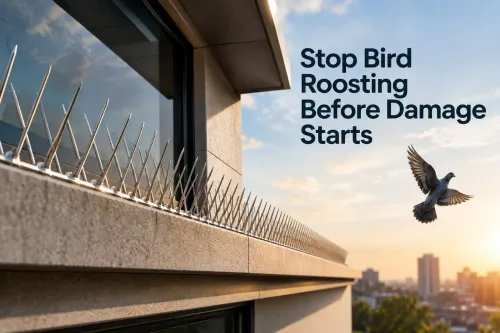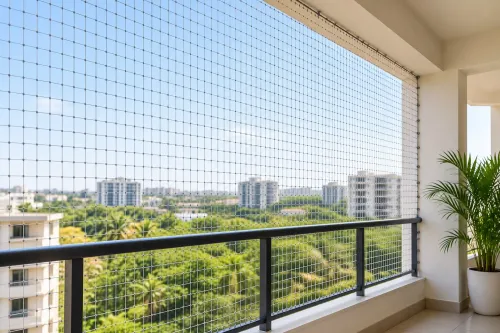
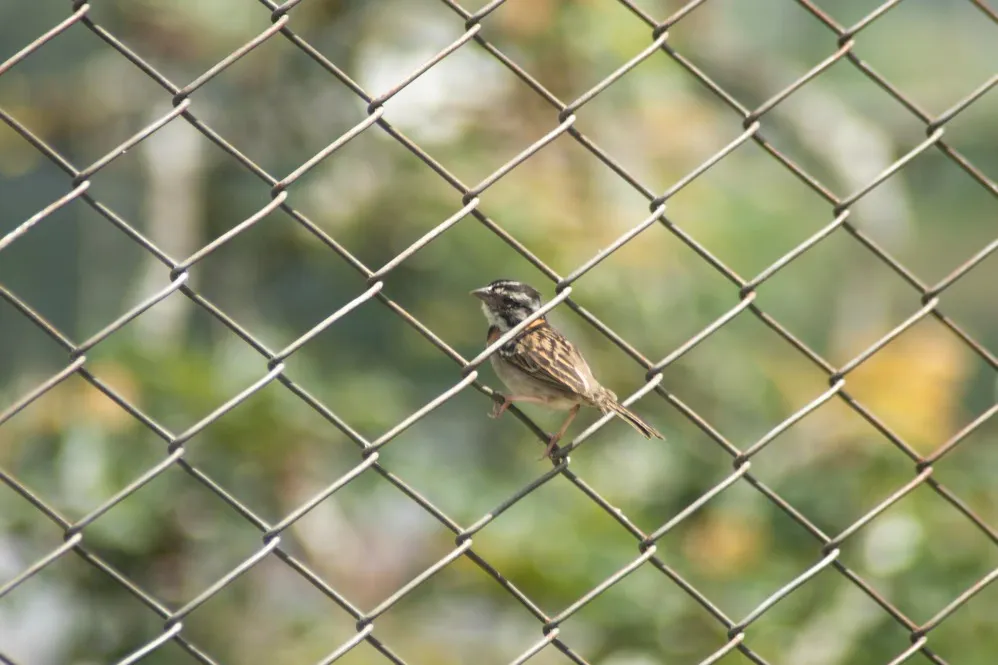
Pigeons do not always need to enter a balcony to create a problem. In many buildings, they repeatedly sit on parapets, window projections, pipes, sign supports, exterior ledges, and other narrow surfaces. Bird spikes are designed for these situations by making selected landing areas unsuitable for comfortable perching.
For residential societies and commercial properties in Nagpur, Maharashtra, understanding where spikes work well is important because they are intended for specific surfaces rather than complete enclosure of large openings.
What Bird Spikes Actually Do
Bird spikes create a physical obstruction on a surface where birds would otherwise land.
They are not intended to function as traps. Correctly selected and installed spikes occupy the available landing space, encouraging birds to choose another location rather than settling on the protected ledge.
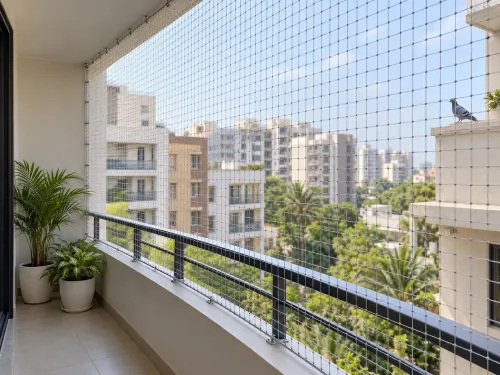
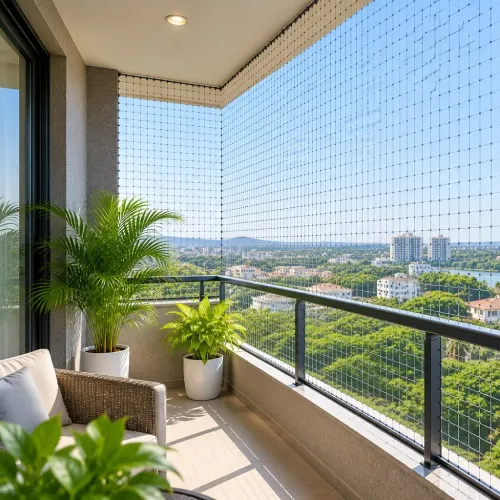
This makes them different from bird netting, which blocks access to an entire opening.
Where Spikes Are Commonly Useful
Bird spikes are most relevant to relatively narrow surfaces where repeated perching occurs.
Typical locations include:
- Balcony parapets
- Window ledges
- Exterior projections
- Signage structures
- Building edges
- Selected pipes
- Architectural bands
- Commercial façade features
Before installing spikes, it helps to observe where pigeons actually sit. Treating surfaces they do not use adds unnecessary work without addressing the real source of the problem.
Surface Width Needs Attention
One common mistake is installing a narrow row of spikes on a much wider ledge.
If sufficient uncovered space remains, pigeons may simply perch beside the spikes. The protected width should therefore correspond to the usable landing surface.
Irregular architectural features can require additional planning because birds may find small unprotected sections nearby.
Spikes Are Not Suitable Everywhere
A large balcony opening cannot usually be protected effectively with spikes alone because birds can fly directly into the interior area.
Similarly, spikes may not solve a nesting problem inside a recessed duct if birds can enter from another direction.
The solution should follow the bird behaviour:
If pigeons are sitting on a ledge, spikes may be appropriate.
If pigeons are entering an open balcony or shaft, netting may be more relevant.
If several different access and perching points exist, the property may require a combination of measures.
Installation Quality Matters
The mounting surface should be assessed before installation. Dust, loose material, uneven finishes, drainage areas, and maintenance access can influence the method used.
Spikes should be positioned consistently so that obvious landing gaps are not left between sections.
Property managers should also consider future façade maintenance. If painting, waterproofing, AC servicing, or other work is planned, coordination can prevent newly installed bird-control measures from having to be removed unnecessarily.
Keep the Wider Area Clean
Installing a physical deterrent is only one part of managing a recurring bird problem.
Food waste and intentional feeding can continue attracting pigeons to a property. Existing droppings and nesting material should be cleaned using appropriate hygiene precautions. Building residents should also understand why leaving food in accessible areas can undermine bird-control efforts.
Choose the Solution Based on the Site
Nagpur contains a wide mix of apartment buildings, independent properties, offices, hospitals, hotels, and commercial structures. Bird activity can differ significantly between them.
UNIFIRST SALES AND SERVICES provides bird-control installations in Nagpur based on the type of surface and access pattern involved.
Bird spikes are most effective when used for the job they are designed to perform: discouraging birds from landing on specific surfaces. Identifying those surfaces correctly, covering the usable landing area, and maintaining the installation can provide a practical response to persistent pigeon perching without unnecessarily enclosing the surrounding space.
Keywords