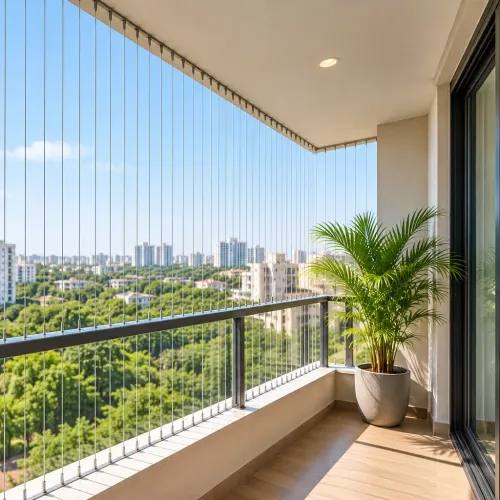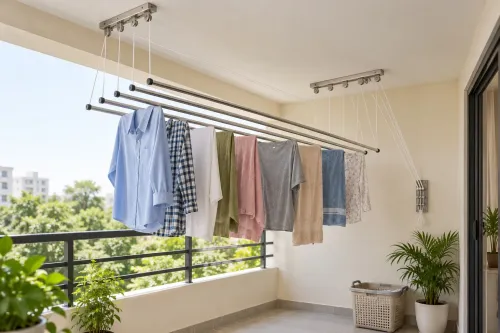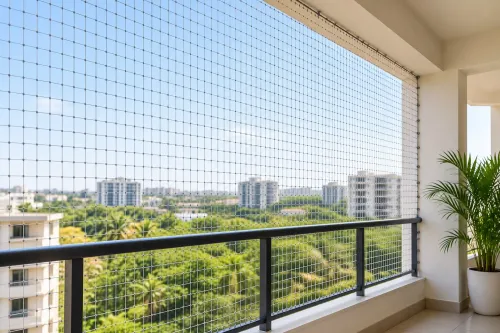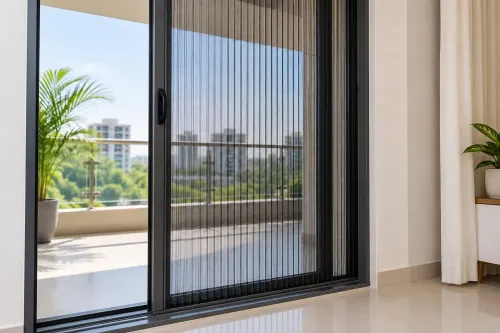
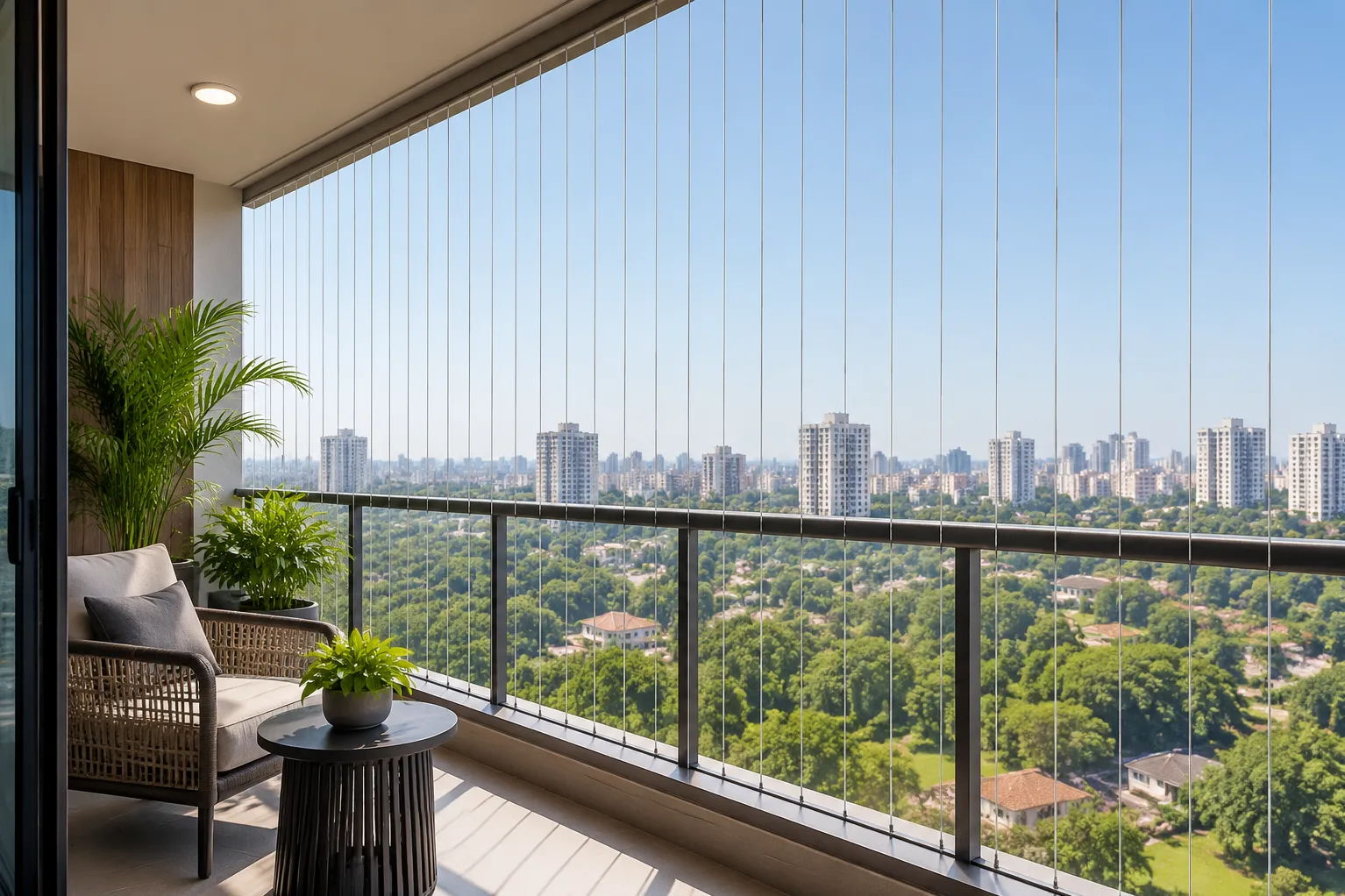
Apartment balconies need to satisfy two priorities that can sometimes appear difficult to combine: maintaining an open view while creating a defined protective barrier. An invisible grill uses closely arranged vertical or horizontal cables to provide a less visually bulky alternative to conventional metal grill structures.
For apartment owners in Nagpur, Maharashtra, evaluating this system involves looking beyond appearance. Cable spacing, anchoring, structural suitability, maintenance, and intended safety use all deserve consideration.
Why Invisible Grills Appeal to Apartment Owners
Traditional fabricated grills can be effective barriers, but their thicker sections may change the appearance of a balcony.
Invisible grill systems are designed to minimise visual obstruction. From normal viewing distances, the slender cables can be less noticeable than conventional grill bars.
This makes them particularly relevant for:
- High-rise apartment balconies
- Large windows
- French windows
- Open utility areas
- Selected staircase openings
- Residential projects with contemporary façades
They can also appeal to architects and interior designers who want safety provisions to remain visually understated.
Invisible Grills Compared With Conventional Grills
The biggest difference is usually visual presence.
Conventional grills use relatively substantial metal members. They may offer numerous fabrication options, decorative patterns, and different opening configurations.
Invisible grills use tensioned cables fixed into an engineered support arrangement. Their appearance is lighter, but their performance depends heavily on the complete installation system.
Neither option should be chosen based only on looks. Property owners should consider the intended purpose, opening dimensions, building conditions, access requirements, and suitable specifications.
Cable Spacing Deserves Careful Attention
The gap between cables influences the nature of the barrier.
Where the installation is intended to reduce the risk of children passing through an opening, spacing should be considered particularly carefully. Wider gaps may not provide the intended restriction.
There is no benefit in assuming that every invisible grill installation automatically has identical safety characteristics. Ask what spacing is proposed and why it is suitable for the specific application.
Anchoring Is Equally Important
A cable system depends on its supporting structure.
Before installation, technicians need to understand where the system can be anchored and whether the surrounding structure is appropriate for the proposed arrangement. Balcony geometry, ceiling edges, floor surfaces, side walls, existing railings, waterproofing, and façade restrictions can all affect installation planning.
Housing societies may also have rules concerning alterations to balconies or exterior elevations. Residents should check applicable society requirements before proceeding.
Consider Maintenance Access
A balcony often contains outdoor AC units, drainage points, planters, or other features that occasionally require servicing.
The grill layout should not make necessary maintenance unnecessarily difficult. Where access provisions are required, they should be discussed during measurement and planning rather than improvised after installation.
Periodic inspection of cables, supports, and fixing points is also sensible, particularly after building repair work or other alterations around the installation.
Evaluate the Complete System
Comparing quotations only by square-foot price can hide important differences.
Ask potential providers about cable specifications, spacing, supporting components, installation method, access arrangements, and what site conditions could affect the final design.
UNIFIRST SALES AND SERVICES supplies and installs invisible grill solutions for suitable residential and commercial applications in Nagpur. A site assessment can help determine whether the opening and available anchoring conditions support the proposed system.
For apartment owners, an invisible grill can offer a cleaner visual result than a heavy conventional grill. The best decision comes from treating it as a complete fitted barrier system rather than simply choosing thin cables for their appearance.
Keywords